
// FAITH
The Beginner's Guide to Starting Strength Training: How to Lift Weights as a Christian
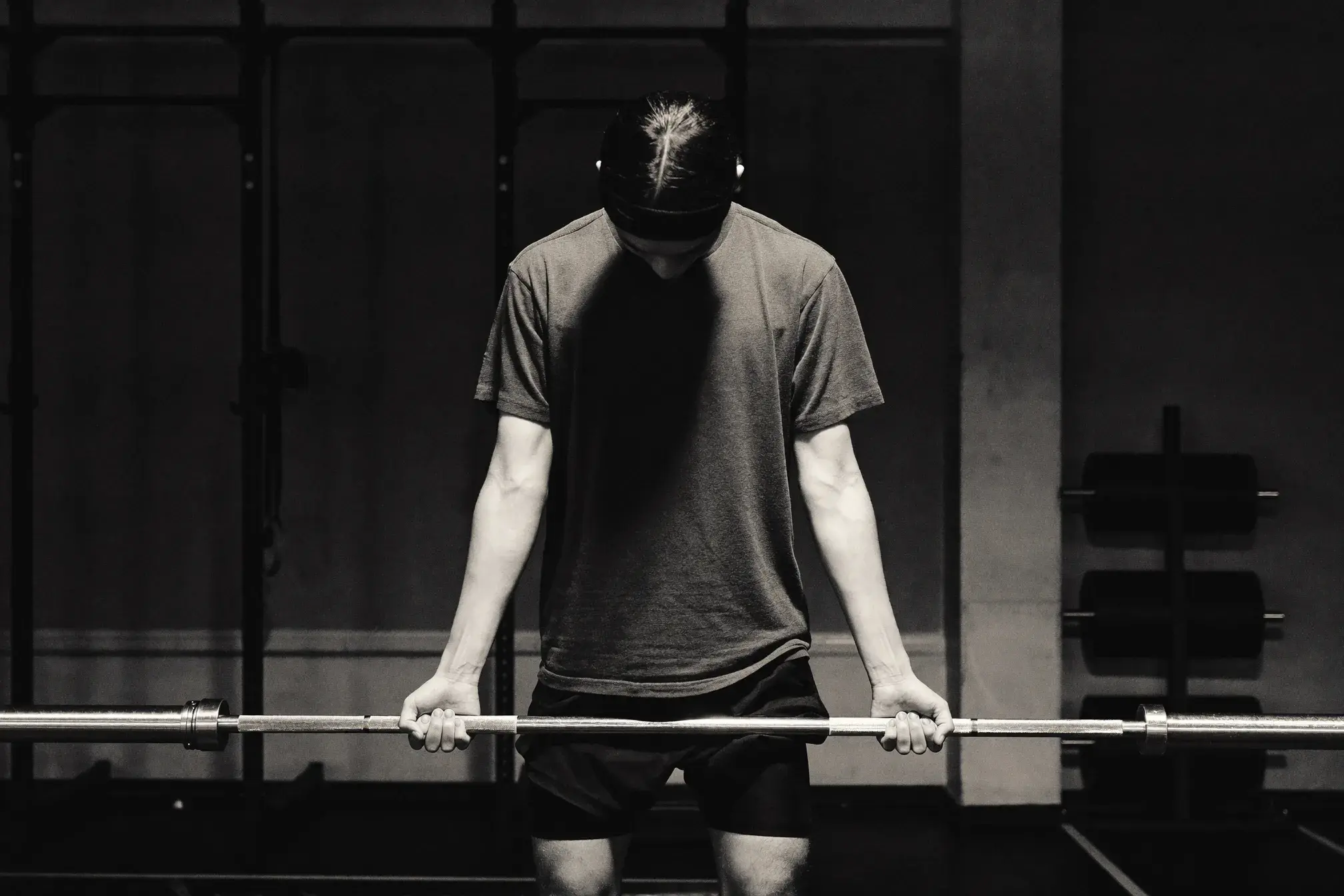
Strength training isn't a vanity project - it's an act of stewardship. Here's how to start lifting weights with purpose, with a framework grounded in faith and built to last 90 days.
What Every New Lifter Needs to Know About Starting Strength Training
Starting strength training is one of the most practical decisions you can make for your long-term health. It's also one of the most misunderstood - especially if you're coming to the gym with a faith background that nobody bothered to connect to the barbell.
Pete Fluriach, founder of Alpha Omega Strength Team, has been training for over 15 years and writes about strength, faith, and the discipline of showing up. In this guide, I'll walk you through your first 90 days under the bar with the body-as-temple framework that changed how I trained.
Before we get into sets and reps, here's the landscape you're entering:
What beginner strength training actually covers:
• Bodyweight and barbell movements that build functional, lasting strength
• Resistance training 3 days per week - no more than that in your first 8 weeks
• Progressive overload: the principle of doing slightly more over time so your body adapts
• Recovery, sleep, and nutrition as non-negotiable parts of the equation
• A framework for training that doesn't require a gym membership to start
Core considerations before your first session:
• Why you're starting matters - stewardship vs. vanity produces different long-term outcomes
• Equipment access shapes your approach, but lack of equipment is not an excuse to wait
• Form is learned, not inherited - expect to look awkward and do it anyway
• Motivation fades; routine is what keeps you in the gym in month three
• The gym culture you're afraid of is less intimidating once you're in it
By the end of this guide, you'll have a clear picture of where to start, which approach fits your situation, and the theological grounding to make training a sustainable part of your life - not just a January resolution.
The Body-as-Temple Framework: A Christian Case for Lifting
The fitness industry has one pitch: look better. That's it. Every ad, every app, every before-and-after photo is a variation of the same promise - train hard and you'll finally have the body you want. It's not an evil pitch, but it's a shallow one. And for the person who is genuinely trying to build a life oriented around something more than self-image, it falls flat about six weeks in.
Scripture offers a completely different framing - one that's been sitting there for two thousand years, underused in fitness conversations.
"Do you not know that your bodies are temples of the Holy Spirit, who is in you, whom you have received from God? You are not your own; you were bought at a price. Therefore honor God with your bodies." - 1 Corinthians 6:19-20
That verse doesn't say your body is a project. It says it's a temple. And temples are maintained with care, intention, and respect - not neglected and certainly not worshipped. That distinction changes everything about why you train.

Stewardship vs. Vanity: The Difference in Practice
Stewardship-driven training asks: am I caring for what God gave me? Vanity-driven training asks: what do other people think when they see me? Both will get you to the gym. Only one will keep you there when nobody is watching and no progress photos are worth taking.
What stewardship-driven training looks like in practice:
• You train at 6am when no one will see it, because the work matters regardless
• You stop adding weight when your form breaks down, because protecting the body is the point
• You take rest days without guilt, because rest is part of stewardship
• You measure progress in capacity and health markers, not mirror approval
Philippians 4:13 and What It Actually Means
"I can do all this through him who gives me strength." That verse is on gym walls everywhere, usually in block caps above a picture of someone deadlifting twice their bodyweight. It's been co-opted as motivational content, and while there's nothing wrong with finding motivation in scripture, the verse was written by a man in prison - not a man chasing a PR.
Paul's point was contentment in every circumstance - strength through dependence on Christ, not strength produced by sheer willpower. For the beginner in the gym, that reframe is actually more useful: you're not relying on your own motivation. You're drawing on something deeper. That's what carries you past the weeks when your motivation is gone and the results aren't visible yet.
How to Choose the Right Approach for Where You Are
There's no single right way to start lifting. The best approach is the one that matches your actual situation - not the one your favorite athlete uses or the one that looks most impressive. The table below maps four common entry points against the factors that matter most for a new lifter.
Beginner Lifting Approaches - Which Is Right for You?
Approach | Structure Level | Equipment Needed | Best For | Faith Integration
Bodyweight at home | Low | None | Zero-barrier entry, travel, small space | Daily devotional pairing is easy - no commute, no culture shock
Gym membership, free weights | Medium | Gym access | Community, variety, equipment you can't buy yourself | Natural accountability partner dynamic; find a training partner in month one
Home barbell setup | High | $500-800 investment | Long-term commitment, privacy, no commute | Creates a dedicated space - some treat it like a home altar; prayer before sets comes naturally
Online faith-based program | Medium | Varies | Structure without gym intimidation | Built-in devotional content; accountability community often included
The single most important factor is not which approach is objectively best - it's which one removes the most friction for you specifically. A gym membership you never use beats a home gym you're still planning. Start with what's available and build from there.
Form First - Practical Tips for Your First 8 Weeks
New lifters have one job: learn the movements before adding load. Most injuries in the first 90 days come from weight that ego loaded, not weight the body earned.
1. Start lighter than you think you should - an empty barbell (45 lbs) is the right starting point for squats and deadlifts in week one.
2. Train 3 non-consecutive days per week - Monday, Wednesday, Friday works well; your body needs 48 hours between sessions to adapt.
3. Record yourself once per month - video feedback is more accurate than mirrors and removes guesswork about your form.
4. Add weight in small increments: 5 lbs for upper-body lifts, 10 lbs for lower-body lifts, no more than once per week per movement.
When life interrupts your training schedule - and it will - don't let a missed week become a missed month. Read our piece on training through the valley
Full-Body vs. Split Training - Understanding the Difference
Full-body training means hitting every major muscle group - legs, chest, back, shoulders, arms - in every session. Split training means dedicating individual sessions to specific muscle groups (chest day, leg day, etc.). For anyone in their first 12 months of consistent training, full-body wins. You're building patterns and neural pathways, not specializing. The muscle will come.
Full-body three-day programming also fits naturally with the rhythm of the week - train, rest, train, rest, train, rest and recover. That structure mirrors the same kind of intentional cadence built into creation itself.
Strength Training for Every Starting Point
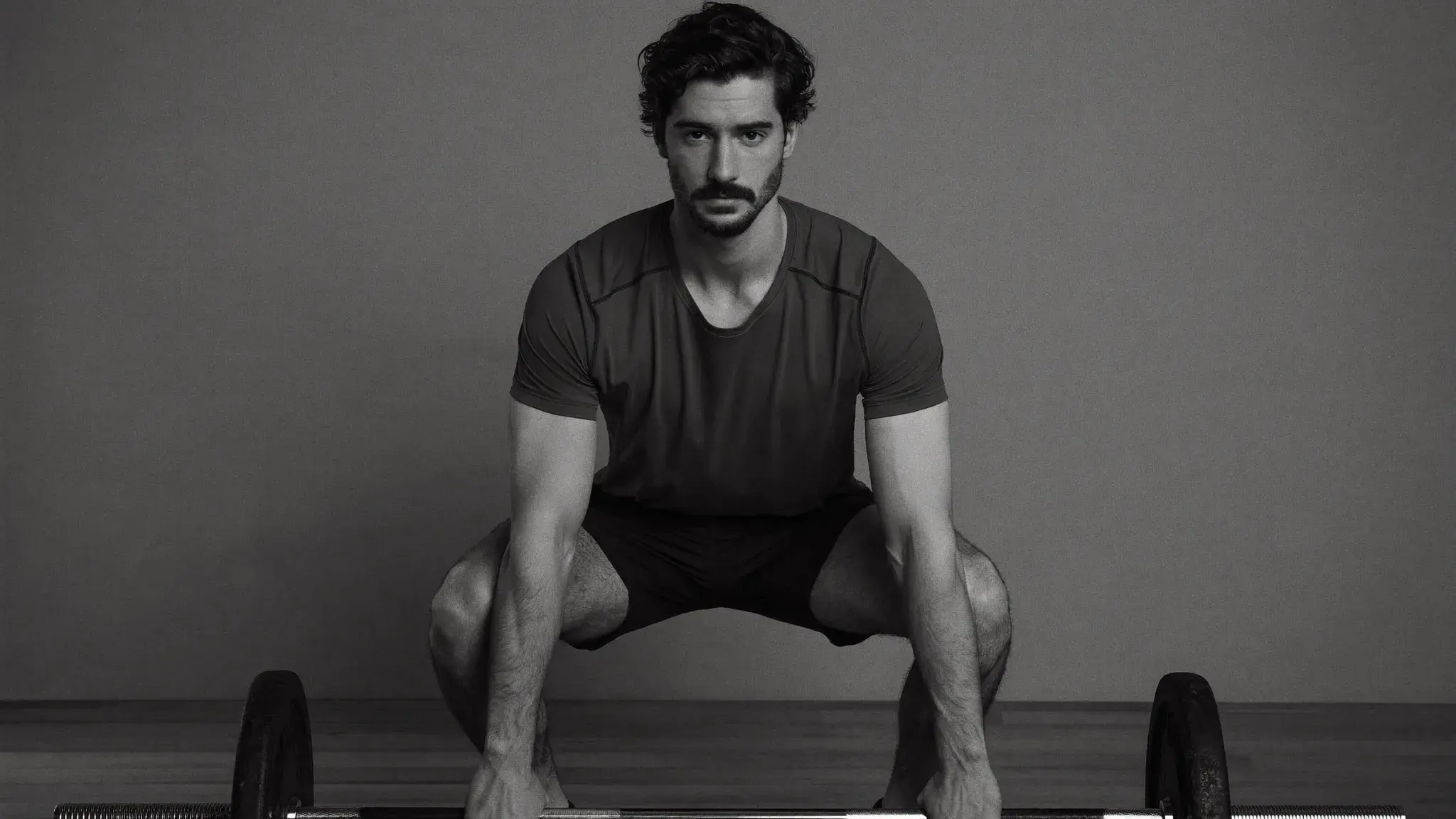
Not everyone reading this is in the same place. Some of you have never set foot in a gym. Some of you trained in college and stopped for five years. Some of you have a garage, a budget, and a willingness to commit - you just need a direction. Here's how the first 90 days looks across three different starting points:
• Absolute beginner (never trained): Start bodyweight only for weeks 1-3. Master the squat, hinge, push, and pull patterns without any external load. Your goal is to build the movement habit and prove to yourself you'll show up three times a week. Weight comes later.
• Returning lifter (1-5 year gap): Your muscle memory is real, but your tendons and connective tissue don't remember as well as your brain does. Start at 60% of what you think you can handle in week one. Ramp up by 10% per week for the first month. Resist the urge to jump back to your old numbers.
• Faith-motivated but gym-culture-averse: Start with a home setup or an online faith-based program. The goal is to build the habit inside an environment where you're comfortable. A gym membership is a tool, not a requirement. When you're ready for the gym, you'll know - and you'll arrive with better form than most of the people there.
The Three Training Tiers for New Lifters
Think of your first year in three phases:
• Foundation (Weeks 1-8): Build the movement patterns. 3 days a week, full body. Bodyweight or light barbell. The goal is showing up, not lifting heavy.
• Development (Weeks 9-20): Add load progressively. Your form is established and your body knows the movements. This is where the physical adaptation starts becoming visible. Strength numbers begin climbing week over week.
• Integration (Week 21+): Training is a habit. You adjust programming based on life season, energy, and goals. This is where most people who started with a stewardship mindset are still training - and most people who started with vanity have quit.
Making Room for Training in a Full Life
In 2026, the most common reason new lifters give for stopping isn't injury or boredom - it's time. Work, family, community, and church are real demands. The question isn't whether you have time; it's whether training has earned a protected slot in your week.
Three ways to protect your training time:
• Schedule it the way you schedule church or a doctor's appointment - it's non-negotiable, not optional
• 45 minutes is enough for a full-body session; you don't need two hours
• Early morning training removes the decision entirely - nothing else has claimed that time yet
Why the 'Why' Behind Your Training Changes Everything
Most fitness content is built around one assumption: you need to be motivated. Find your motivation, protect your motivation, re-ignite your motivation when it runs out. But motivation is a feeling, and feelings are unreliable. What the body-as-temple framework gives you is not a feeling - it's a conviction. Convictions don't depend on how tired you are or whether you feel like it today.
"No discipline seems pleasant at the time, but painful. Later on, however, it produces a harvest of righteousness and peace for those who have been trained by it." - Hebrews 12:11
That verse doesn't promise training will feel good. It promises that the discipline of training will produce something in you - righteousness, peace, character - that comfort never could. For the beginner in week three who doesn't feel any different yet, that promise is worth more than any before-and-after photo.
What the body-as-temple approach actually gives you:
• A reason to train that doesn't evaporate when your physique stops improving quickly
• A framework that makes rest and recovery feel intentional rather than lazy
• Permission to train without guilt when your motivation is low - faithfulness doesn't require enthusiasm
• A natural connection between the discipline of training and the discipline of every other area of life
Getting the Most Out of Your First 90 Days
1. Log every session - date, exercises, sets, reps, weight. You cannot manage what you don't measure, and looking back at week one from week twelve is one of the most encouraging things you can do.
2. Eat enough protein - aim for 0.7-1 gram per pound of bodyweight daily. This is the single biggest nutritional lever for a new lifter and it's mostly a habit change, not an expensive one.
3. Prioritize 7-9 hours of sleep - muscle is built during recovery, not during the session itself. Sleep is where the adaptation happens.
4. Find one person who will ask you how your training is going - accountability doesn't require a formal partner; it just requires someone who knows your commitment.
Frequently Asked Questions About Lifting as a Christian
How often should a beginner lift weights in a week?
Three days per week is the sweet spot for new lifters - enough stimulus to produce adaptation, enough rest to let it happen. Training 4 or 5 days a week too early doesn't produce faster results; it increases the chance of burnout and overuse injury. Stick with three days for your first 8 weeks. When three days feels sustainable and your body has adapted to the load, then you can consider adding a fourth.
Do I need a personal trainer to start lifting safely?
No - but you need a program. The mistake isn't skipping a trainer; it's walking into the gym with no plan and just doing what you've seen other people do. A structured beginner program (Starting Strength, StrongLifts 5x5, or any faith-based program with clear progression) removes the guesswork and keeps your training deliberate rather than random.
If budget allows, two or three sessions with a trainer at the beginning - specifically to learn squat, deadlift, bench press, and overhead press form - is money well spent. But it's not a requirement. Excellent free video instruction exists for every fundamental movement, and the most important thing is starting, not starting perfectly.
Is weight training compatible with my Christian values, or does it lead to vanity?
Strength training can become vanity - anything can become an idol when it occupies the space that belongs to God. But the solution isn't to avoid training; it's to train with the right posture. The distinguishing question is: am I doing this to honor God and care for the body he gave me, or am I doing this to earn approval and status?
1 Corinthians 6:19-20 frames the body as a stewardship responsibility, not a vanity project. Caring for that body intentionally - through training, sleep, nutrition, and rest - is one of the most concrete ways you can honor what God has given you. The gym is a tool. What you bring into it is what determines whether it leads somewhere worth going.
Your First Rep Is Already Worth Something
The first 90 days of strength training are not glamorous. You won't have visible results at week four. You'll feel awkward in the gym. You'll miss a session and feel guilty about it. You'll wonder whether it's working. All of that is normal and none of it means you're doing it wrong. The discipline Hebrews 12:11 describes is not comfortable - but it is productive, in ways that compound over months and years that don't show up in a single before-and-after photo.
What you're building isn't just muscle. It's the kind of character that shows up when it doesn't feel like it. That's worth starting today.
// FREQUENTLY ASKED
Questions, answered.
How often should a beginner lift weights in a week?
Three days per week is the sweet spot for new lifters - enough stimulus to produce adaptation, enough rest to let it happen. Training 4 or 5 days a week too early doesn't produce faster results; it increases the chance of burnout and overuse injury. Stick with three days for your first 8 weeks. When three days feels sustainable and your body has adapted to the load, then you can consider adding a fourth.
Do I need a personal trainer to start lifting safely?
No - but you need a program. The mistake isn't skipping a trainer; it's walking into the gym with no plan and just doing what you've seen other people do. A structured beginner program (Starting Strength, StrongLifts 5x5, or any faith-based program with clear progression) removes the guesswork and keeps your training deliberate rather than random. If budget allows, two or three sessions with a trainer at the beginning - specifically to learn squat, deadlift, bench press, and overhead press form - is money well spent. But it's not a requirement. Excellent free video instruction exists for every fundamental movement, and the most important thing is starting, not starting perfectly.
Is weight training compatible with my Christian values, or does it lead to vanity?
Strength training can become vanity - anything can become an idol when it occupies the space that belongs to God. But the solution isn't to avoid training; it's to train with the right posture. The distinguishing question is: am I doing this to honor God and care for the body he gave me, or am I doing this to earn approval and status? 1 Corinthians 6:19-20 frames the body as a stewardship responsibility, not a vanity project. Caring for that body intentionally - through training, sleep, nutrition, and rest - is one of the most concrete ways you can honor what God has given you. The gym is a tool. What you bring into it is what determines whether it leads somewhere worth going.
// GEAR WORN IN THIS TRAINING


PUBLISHED MAY 20, 2026