// RECOVERY
Rest Is Not Weakness - The Case for Recovery

God rested on the seventh day. Jesus told his disciples to come away and rest. If they needed it, so do you.
There's a strain of fitness culture that treats rest like failure. More is more. If you're not sore, you didn't work hard enough. Rest days are for people who don't want it badly enough.
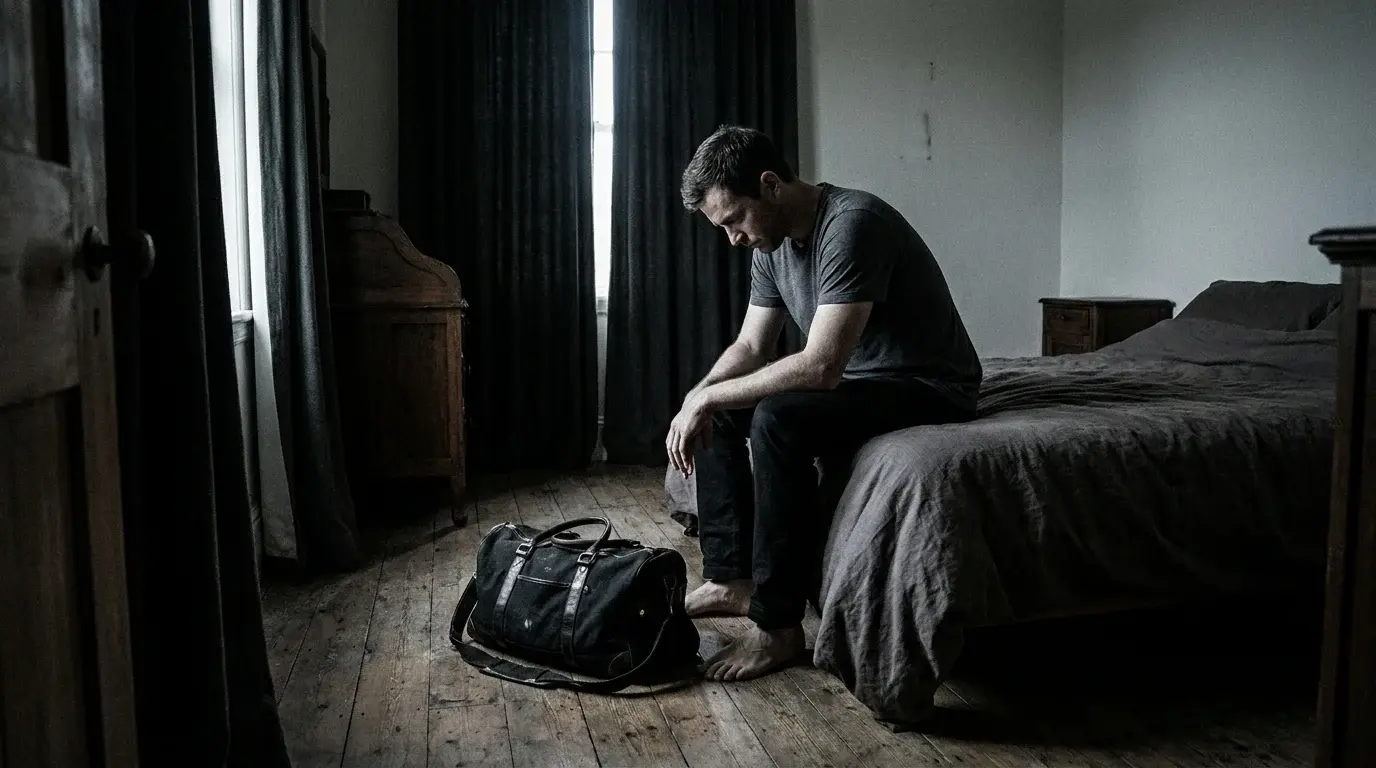
I used to believe some version of that. I trained through pain I should have addressed, skipped sleep to add another session, and called it discipline when it was actually just fear of falling behind. What I got from that approach was injury, stalled progress, and burnout.
Then I went back to the source.
"By the seventh day God had finished the work he had been doing; so on the seventh day he rested from all his work." - Genesis 2:2
"Then, because so many people were coming and going that they did not even have a chance to eat, he said to them, 'Come with me by yourselves to a quiet place and get some rest.'" - Mark 6:31
God rested after creation. Jesus pulled his disciples away from productive work to rest. If the Creator of the universe built rest into the design, and if Jesus modeled it even in the middle of active ministry, then dismissing rest as weakness isn't discipline - it's arrogance.
What Actually Happens When You Sleep
Muscle does not grow during your workout. It grows during recovery. Every training session creates microtears in muscle fibers through mechanical stress - that's the stimulus. The rebuilding, the thickening, the actual growth, happens afterward. And the majority of that repair happens during sleep.
The NIH recommends 7-9 hours of sleep per night for adults, and the research on athletic performance makes a compelling case for being on the higher end of that range. A Stanford University study on collegiate basketball players found that extending sleep to 10 hours per night led to measurable improvements in sprint times, shooting accuracy, and reaction time after just five to seven weeks. They weren't lifting more. They were sleeping more.
The mechanism is growth hormone. Human growth hormone (HGH) - the body's primary driver of tissue repair and muscle synthesis - is released in its greatest pulses during slow-wave (deep) sleep. Cutting sleep cuts HGH. Cut HGH and you're training without the repair signal your body needs to respond to the stimulus you're giving it. You're putting stress on a system you're not letting recover.
Sleep deprivation also raises cortisol - a catabolic hormone that breaks down muscle tissue. A 2011 study published in the Annals of Internal Medicine found that restricting sleep to 5.5 hours per night while in a caloric deficit led to 60% less fat loss and 55% more muscle loss compared to subjects sleeping 8.5 hours. Same calories. Same training. Just less sleep. The results were drastically different.
Active Recovery Is Training Too
Rest doesn't have to mean doing nothing. Active recovery - low-intensity movement that increases blood flow without creating additional stress - accelerates the repair process.
A 20-30 minute walk, a yoga or mobility session, light swimming, or a stretching routine all qualify. These activities move fresh blood and nutrients through damaged tissue, clear metabolic waste products like lactate, and reduce soreness through increased circulation - without triggering additional breakdown. Research in the Journal of Athletic Training found that active recovery significantly reduced delayed onset muscle soreness (DOMS) and improved performance readiness compared to complete rest.
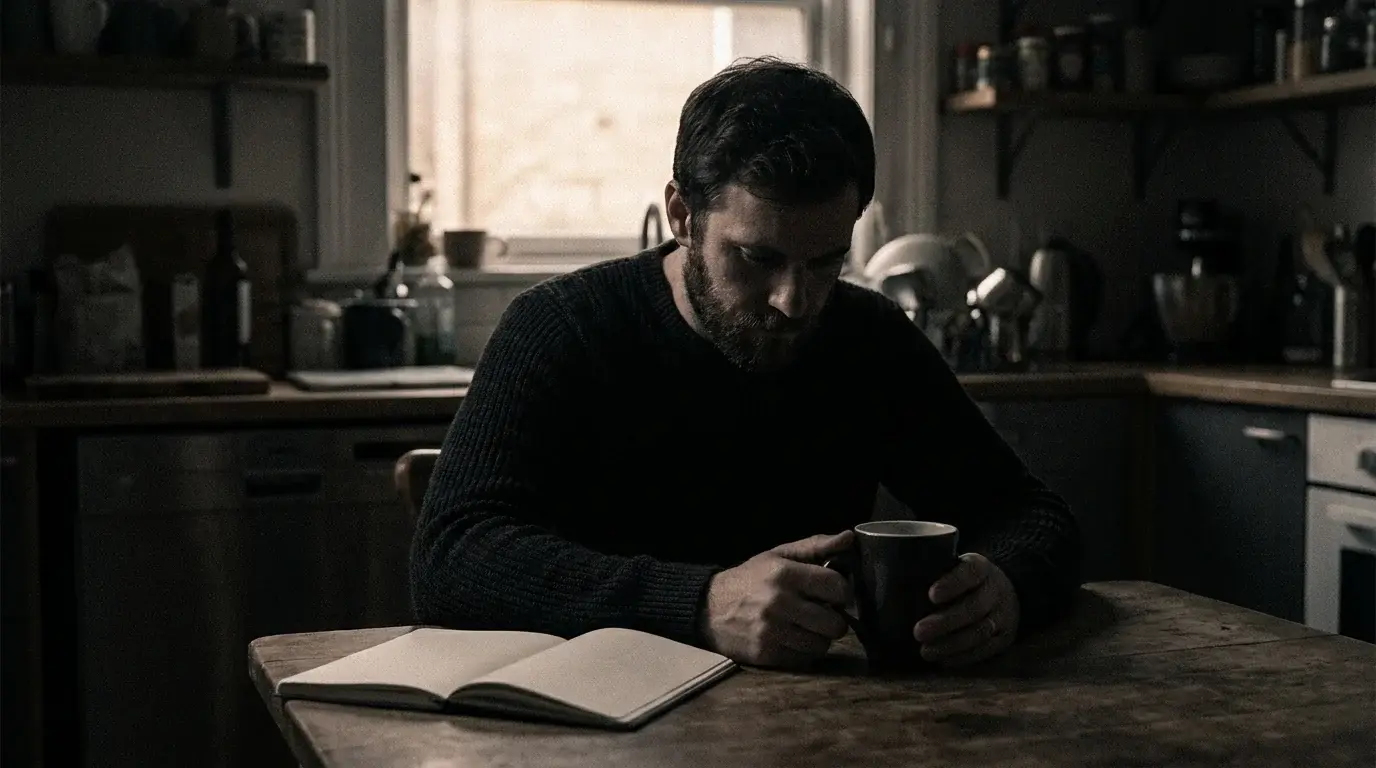
On my recovery days, I walk. I stretch. I do things that serve the body without taxing it. I also prioritize sleep - not as a luxury but as training.
Sabbath As a Training Principle
The Sabbath principle is older than sports science, and it maps onto what we now know about periodization - the structured cycling of training stress and recovery that every legitimate strength and conditioning program is built around.
You cannot sustain maximum output indefinitely. The body adapts through cycles: stress, then rest, then adaptation. Every serious periodization model builds in deload weeks, recovery blocks, and intentional breaks from peak intensity. God prescribed this same rhythm before we had the language to explain why it works.
One full rest day per week is not optional - it's structural. One deload week every four to six weeks of training is not laziness - it's how progress compounds over months and years instead of stalling out after six weeks.
Permission to Stop
If you're someone who struggles to rest - who feels guilty on days off, who equates stopping with weakness - I want to give you this clearly: rest is not the opposite of discipline. It is part of discipline. The most disciplined thing you can do some days is go to bed early, skip the extra session, and trust that the work you put in will be made complete by the recovery you give it.
God rested. Jesus rested. The strongest athletes on earth program rest deliberately. You are not too important, too behind, or too far from your goals to do the same.
Rest well. Come back stronger.
// GEAR WORN IN THIS TRAINING


PUBLISHED APRIL 18, 2026