// FAITH
Training Through the Valley - When You Don't Feel Like Showing Up
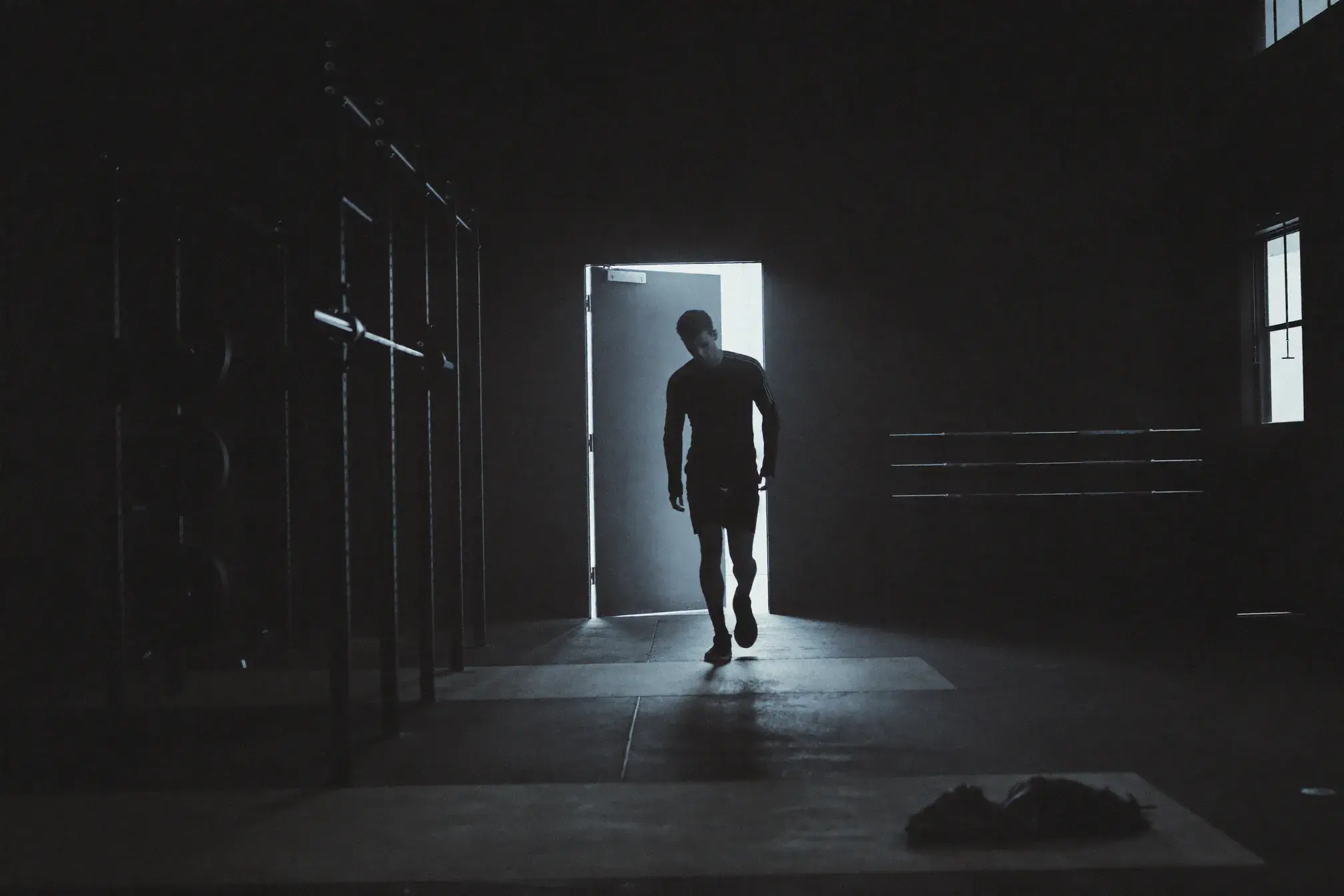
Motivation is a feeling. Discipline is a decision. Here's how to keep moving when everything in you wants to stop.
There are seasons where training feels easy. The energy is there, the results are coming, and every workout feels like a confirmation that you're on the right path.
Then there are the valley seasons.
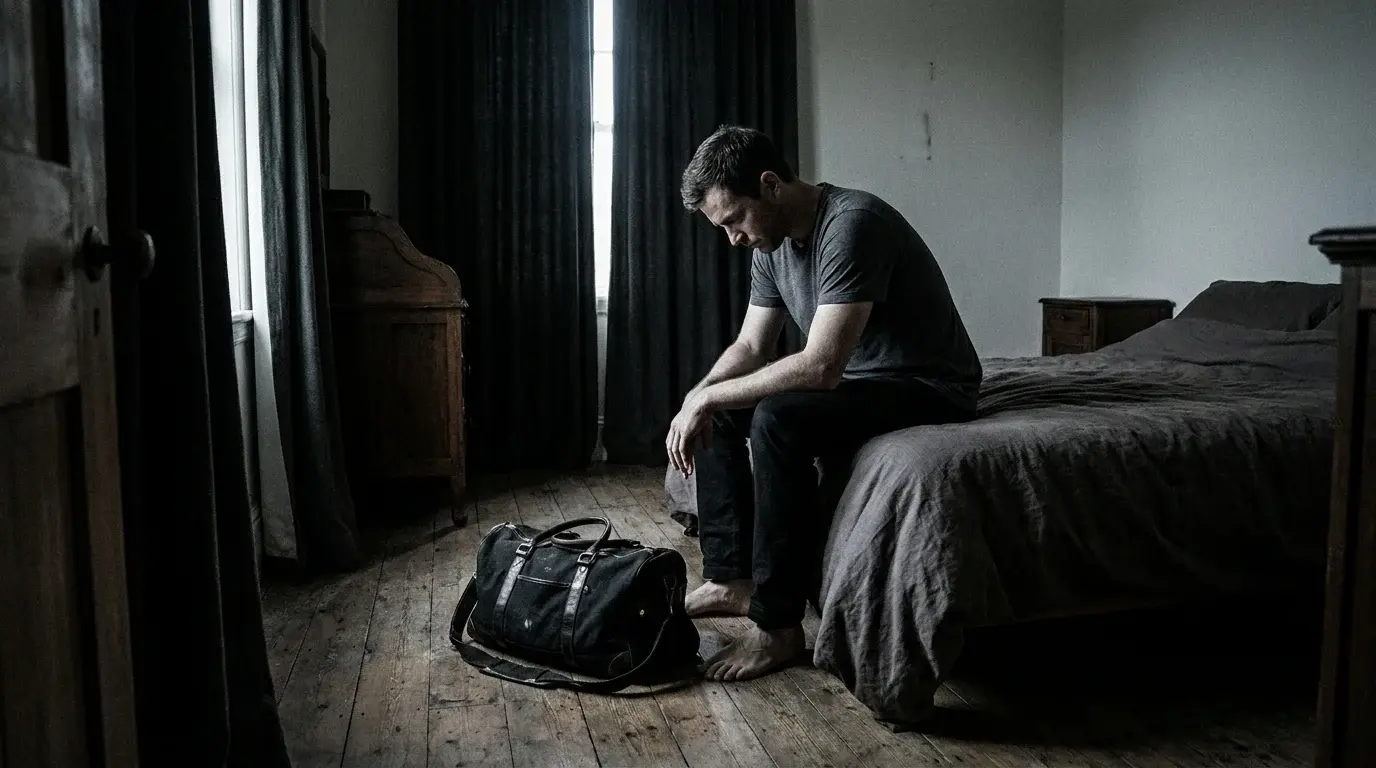
You wake up tired. Not just physically tired - the kind of tired that lives in your chest. Life is heavy. The weights feel heavier. The voice in your head says: what's the point? Skip it. Rest tomorrow. You'll feel better then.
I've been in that valley. And I've learned something: the valley is exactly where the work matters most.
"Even though I walk through the valley of the shadow of death, I will fear no evil, for you are with me; your rod and your staff, they comfort me." - Psalm 23:4
The Problem With Waiting to Feel Like It
Motivation is an emotion. Emotions are temporary. If you've built your training around how you feel, you will eventually stop training - because feelings change constantly and not always in your favor.
This is a design flaw in how most people approach fitness. They're chasing motivation instead of building discipline. Discipline doesn't ask how you feel. It asks what you committed to.
Research confirms this. A landmark study published in the British Journal of Health Psychology found that making a specific plan - writing down when, where, and how you will exercise - increased follow-through rates to 91%, compared to 35% for people who simply intended to work out. The people who showed up consistently weren't more motivated. They had better systems.
What Exercise Does to the Valley
Here's something worth understanding when you're in a dark stretch: movement is medicine.
A 2018 meta-analysis published in JAMA Psychiatry, covering over 33,000 adults tracked for 11 years, found that regular physical activity reduced the incidence of depression by 26%. Not slightly improved mood - a 26% reduction in clinical depression risk. And the effect held across all intensity levels, including low-intensity activity like walking.
A Harvard study on exercise and depression found that 15 minutes of vigorous exercise or one hour of walking per day was associated with a 26% lower risk of major depressive disorder. The neuroscience is real: exercise raises BDNF (brain-derived neurotrophic factor), which supports neural plasticity and mood regulation. It's not just "endorphins." It restructures how your brain processes stress.
When you feel like you can't train, your brain needs training the most.
How to Keep Moving When You Don't Want To
I'm not going to tell you to "just push through" and leave it at that. Here's what actually works.
Lower the bar without eliminating it. On the hardest days, I don't aim for a PR. I aim to show up. Twenty minutes. Half the weight. Bodyweight only. Something. Done is better than perfect, and perfect can wait until the valley passes.
Stack it with something else. Habit stacking - pairing a hard habit with an existing one - is one of the most effective behavioral change tools available. If you already go to the gym after work, tie a short walk to your lunch break. If you already wake up early, attach five minutes of movement to that routine. Attach the hard thing to the thing you already do.
Tell someone. Accountability changes the math. We'll talk more about training partners in another post, but even a simple text to a friend - "training at 6 PM today" - raises your follow-through rate significantly. External commitment is a forcing function.
The Valley Is Not the End
David didn't walk around the valley. He walked through it. The promise isn't that you avoid hard seasons - it's that you don't walk through them alone, and you come out the other side.
Every workout you do in the valley is a vote for who you're becoming. It says: I don't quit when it's hard. I don't let my feelings make my decisions. I know where my strength comes from, and it doesn't run out.
Show up anyway. Especially then.
// GEAR WORN IN THIS TRAINING


PUBLISHED APRIL 10, 2026