
// TRAINING
The 5 Compound Lifts Every Christian Man Should Know: A Strength Foundation Guide
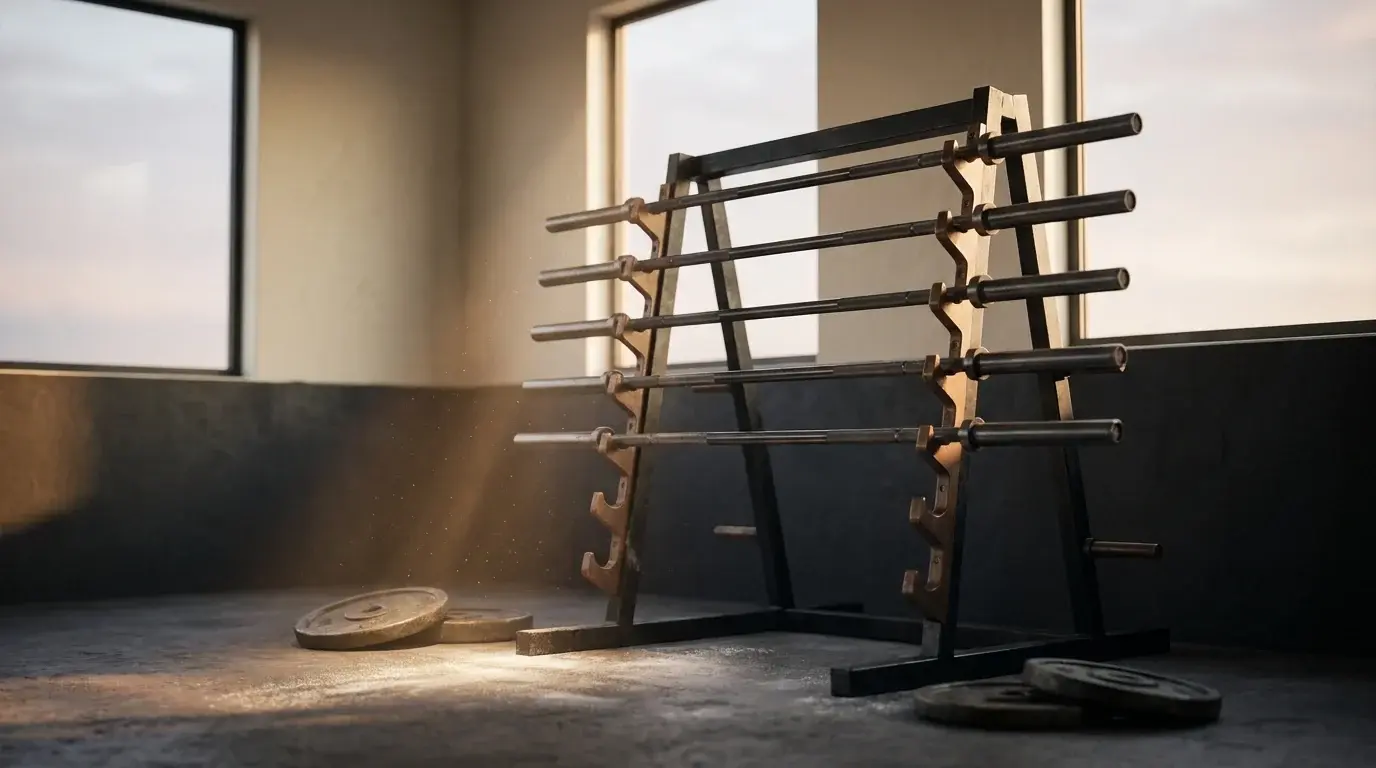
Squat, deadlift, bench press, overhead press, barbell row. Five movements built the strongest men in history. This is why they matter, how they form the foundation of any serious training program, and what the theology of hard work has to do with learning them.
Pete Fluriach, founder of Alpha Omega Strength Team. When I started training seriously, I wasted eight months on machines and isolation work before someone put a barbell in front of me and made me squat. The difference was immediate and permanent. These five movements are not advanced programming choices - they are the foundation everything else is built on. If you do not know them, you are building your training on sand.
This guide exists because most beginner content either buries compound lifts in disclaimers or presents them as optional. They are not optional. They are the program - for any man who wants to actually get strong, not just look like he might be.
What Every Christian Man Needs to Know About Compound Lifts
A compound lift is any movement that recruits multiple large muscle groups across more than one joint at the same time. The squat uses your hips, knees, ankles, and spine simultaneously. The deadlift does the same. These movements are not just exercises - they are human patterns your body was designed to perform, and training them builds a kind of functional strength that isolating one muscle at a time simply cannot replicate.
The five foundational compound lifts are:
- Back squat - the king of lower-body development, full-body tension, and structural strength
- Deadlift - the most total-body movement in existence; recruits everything from your hands to your heels
- Bench press - the foundational horizontal push; chest, shoulders, and triceps working as a unit
- Overhead press - vertical push strength; the truest test of shoulder and upper-back integrity
- Barbell row - the horizontal pull that keeps the upper back strong and the pressing movements honest
Before you start programming any of these, hold the four variables that determine whether your training with them actually works:
- Form - bad technique on compound lifts gets you injured, not strong; learn the pattern before you load the bar
- Load progression - the bar has to get heavier over time; without progressive overload, compound lifts are just cardio
- Recovery - compound movements cause more systemic fatigue than isolation work; they demand more sleep, more food, and more rest
- Consistency - compound strength takes months to build and weeks to lose; showing up matters more than any single session
After this guide, you will know what each lift demands, how to approach learning it, and why a man who takes his faith seriously should take compound strength seriously too.
Why Compound Lifts Dominate Every Serious Strength Program
The strongest men in recorded history trained compound movements. Every major powerlifting, Olympic lifting, and strongman program in existence is built around variations of squat, deadlift, press, and pull. Research in 2026 continues to confirm what coaches have known for decades: multi-joint compound exercises produce greater hormonal response, more muscle fiber recruitment, and superior functional strength transfer than any isolation protocol.
The average commercial gym still steers beginners toward machines and cables. This is partly liability management and partly the fact that machines are easier to teach in thirty seconds. But easier to teach is not better for development. The barbell demands more from the lifter - more coordination, more full-body tension, more technical attention - and that demand is exactly what produces strength.
The Case Against Machine-Only Training
Machines fix the movement path. That sounds safe. The problem is your body does not move in a fixed path in real life, and the stabilizing muscles that compound lifts develop are the exact muscles that keep joints healthy under load. A man who spends years on the leg press will have stronger quads than his overall body can support. Imbalances compound over time. The men who get injured in middle age are often the men who skipped the barbell in their twenties.
- Machines isolate - compound lifts integrate; integration is what the body actually needs
- Machine strength is gym strength - compound strength carries into work, sport, family, and life
- The difficulty of the barbell is the point - if it were easy, the adaptation would be smaller
The Theology of Hard Work in the Weight Room
Genesis 2 describes God placing man in the garden to work it and keep it - before the fall, before the curse, in the original design. Work is not punishment. It is vocation. Colossians 3:23 instructs that whatever you do, work at it with all your heart, as working for the Lord. There is no exception for the gym. A man who trains with half effort, who avoids the hard movements because the machines are easier, is not stewarding his body - he is avoiding it.
Compound lifts demand wholehearted work. You cannot drift through a heavy squat. You cannot mail in a deadlift. These movements require the total engagement that Colossians describes - and that engagement, repeated over months and years, builds the kind of man who can actually carry things: weight in the gym, responsibility at home, burden in the community.
Breaking Down Each of the Five Lifts
Each lift has its own learning curve, its own common failure points, and its own demand on the body. Below is the essential information on all five - what they train, what trips up beginners, and what a reasonable first-year progression looks like.
Back Squat - Full-Body Tension and Lower-Body Power
- Primary muscles: quads, glutes, hamstrings, spinal erectors, upper back
- Most common beginner error: collapsing the knees inward and losing lower-back position under load
- Year-one target: bodyweight on the bar for a clean set of five
Deadlift - Total-Body Posterior Chain Strength
- Primary muscles: hamstrings, glutes, spinal erectors, lats, traps, grip
- Most common beginner error: rounding the lower back and jerking the bar off the floor instead of pushing the floor away
- Year-one target: 1.5x bodyweight for a clean single
Bench Press - Horizontal Push Strength
- Primary muscles: pectorals, anterior deltoids, triceps
- Most common beginner error: flaring the elbows and lifting the lower back off the bench - both compromise the shoulder joint
- Year-one target: bodyweight on the bar for a set of five with full range of motion
Overhead Press - Vertical Push and Shoulder Integrity
- Primary muscles: deltoids, triceps, upper traps, serratus anterior, core as a stabilizer
- Most common beginner error: hyperextending the lower back to compensate for weak shoulder mobility
- Year-one target: 65-75% of bodyweight pressed overhead for a clean set of five
Barbell Row - The Pull That Holds Everything Together
- Primary muscles: lats, rhomboids, rear deltoids, biceps, spinal erectors under isometric load
- Most common beginner error: using too much body English and turning the row into a modified deadlift with no back contraction
- Year-one target: bodyweight on the bar for a strict set of five
Expert tip: if you can only train three days per week, program squat, deadlift, and overhead press. Those three movements cover more of the body than any other combination. Do not skip the overhead press to add a fourth chest day - the press protects the shoulder joint that the bench press stresses.
A Simple Beginner Programming Framework
For the first year of serious barbell training, linear progression - adding small amounts of weight each session - outperforms every other approach. A framework that works:
- Train three days per week - Monday, Wednesday, Friday or any three non-consecutive days
- Alternate Day A (squat, bench, barbell row) and Day B (squat, overhead press, deadlift)
- Add 5 pounds to upper body lifts and 10 pounds to lower body lifts every successful session
- When progression stalls, deload by 10-15% and rebuild - do not add volume before exhausting linear progression
For a faith-driven approach to programming your training week around your actual life, see the Faith-Driven Training Split for Busy Men.
Where You Are and What That Means for Compound Training
Compound training looks different depending on where you are in your lifting life. The same five movements apply at every stage - what changes is the emphasis, the load management, and the relationship between the lifts and everything else in your program.
- The absolute beginner (0-6 months): your only job is learning the pattern. Use an empty bar or near-empty bar for the first two to four weeks on each lift. Film yourself from the side. Fix the obvious form errors before you add weight. Being in a hurry to load the bar is the single biggest mistake beginners make with compound lifts.
- The novice (6-18 months): linear progression works. Every session should be harder than the last. If it is not, something in your recovery - sleep, nutrition, or stress management - is the problem. Address the recovery first before changing the program.
- The intermediate (18 months plus): daily progression ends and weekly programming begins. You now need to manage fatigue across the training week, not just within a single session. The five lifts stay - how you organize them and what you do around them changes.
Three Tiers of Compound Training by Goal
- General strength (3 days/week): squat, deadlift, press. All five lifts rotate across sessions. Volume is moderate. This is the base for almost every man whose primary identity is not an athlete.
- Performance focus (4 days/week): upper/lower split. Bench and row on upper days; squat and deadlift on lower. Overhead press added as a secondary movement. Total volume increases.
- Competition prep (5 days/week): sport-specific periodization. Powerlifting prep prioritizes squat, bench, deadlift. These are not beginner programs - they assume two-plus years of consistent compound training.
Adapting Compound Training to Your Season of Life
A man with a newborn trains differently than a man whose children are grown. A man under heavy work pressure does not have the same recovery capacity as a man in a stable season. The compound lifts do not change. The volume and intensity you apply to them must flex with your actual life. Trying to run a high-volume program in a high-stress season is not discipline - it is poor stewardship of the body you are trying to build. Dial back the volume, keep the movements, preserve the habit.
Why the Faith-Driven Lifter Approaches Compound Training Differently
Most men who train compound lifts do it for aesthetics or ego. A bigger squat means bigger legs. A bigger deadlift is a status symbol. Both motivations work in the short term and fail in the long term because when progress slows - as it always does - there is nothing left to train for. The faith-driven lifter has a different frame. The question is not how big the number gets; it is whether the body is being stewarded with the same faithfulness you bring to other areas of your life. That frame creates a more durable training identity.
- Stewardship over aesthetics - the body is a gift to be maintained, not a trophy to be displayed
- Discipline as worship - showing up to train compound lifts when you do not want to is the practice of the same virtue that shows up in prayer, work, and fatherhood
- Capacity over appearance - a strong man can lift, carry, protect, and serve; these are functional goods with real-world value
- Long-term thinking - compound lifts build a body that works at forty and fifty, not just twenty-five; that time horizon is the correct one for a man training for his life, not his next photo
Getting the Most Out of Compound Lift Training
- Learn all five before you specialize - the five exist as a system; a man who has only ever benched will have shoulder problems
- Video your form monthly - progress in strength is visible over months, not days; video gives you an objective record your ego cannot distort
- Keep a training log - not an app with gamification, a simple log of sets, reps, and weight; the log tells the truth about whether you are progressing or spinning your wheels
- Treat form work as ongoing - there is no point at which your squat or deadlift is finished; experienced lifters still coach their own technique because the bar always has something to teach you
For the mental and spiritual side of what happens before you touch the bar, read the Faith-Driven Lifter's Guide to Pre-Workout Prayer.
Frequently Asked Questions About Compound Lifts
How long does it take to learn compound lifts properly?
Three to six months of consistent training is a realistic timeline to develop serviceable technique on all five lifts. The deadlift and squat typically take longer than the pressing movements because the hip hinge pattern is less intuitive for most men raised in sedentary environments. Budget six months of patient, weight-controlled practice before you start chasing numbers.
Can I do compound lifts if I have back pain?
Most chronic low-back pain in men under fifty is caused by sedentary weakness, not structural damage - and compound lifting, done with sound form, is often part of the solution rather than the problem. Get a medical evaluation if you have acute pain or a diagnosed condition before loading a barbell. A sports medicine physician or physical therapist who understands strength training is a better resource than a general practitioner who will tell you to avoid lifting indefinitely.
Do I need a spotter for compound lifts?
For the bench press, a spotter or a power rack with properly set safety pins is not optional - it is a basic safety requirement when training anywhere near your maximum. For the squat, a power rack with safeties eliminates the need for a spotter. The deadlift and row require no spotter. If your gym does not have a power rack available, find a different gym - this is fundamental equipment for safe compound training.
Conclusion
The five compound lifts are not a training philosophy. They are the closest thing to a universal answer the weight room has. Every serious strength athlete in history has trained some version of these movements. The men who build durable, functional strength over decades all have something in common: they learned the squat, the deadlift, the press, and the pull, and they kept coming back to them no matter what else changed. That consistency is not stubbornness - it is the recognition that some things work because they are built into the design of the human body, and the smart move is to train accordingly.
If you are new to barbell training, the path is simple: learn the form, add weight slowly, and do not skip the hard movements because the machines feel safer. The difficulty is the point. To build these lifts into a training split that actually fits your life as a working man with real responsibilities, read the Faith-Driven Training Split for Busy Men.
// FREQUENTLY ASKED
Questions, answered.
How long does it take to learn compound lifts properly?
Three to six months of consistent training is a realistic timeline to develop serviceable technique on all five lifts. The deadlift and squat typically take longer than the pressing movements because the hip hinge pattern is less intuitive for most men raised in sedentary environments. Budget six months of patient, weight-controlled practice before you start chasing numbers.
Can I do compound lifts if I have back pain?
Most chronic low-back pain in men under fifty is caused by sedentary weakness, not structural damage - and compound lifting, done with sound form, is often part of the solution rather than the problem. Get a medical evaluation if you have acute pain or a diagnosed condition before loading a barbell. A sports medicine physician or physical therapist who understands strength training is a better resource than a general practitioner who will tell you to avoid lifting indefinitely.
Do I need a spotter for compound lifts?
For the bench press, a spotter or a power rack with properly set safety pins is not optional - it is a basic safety requirement when training anywhere near your maximum. For the squat, a power rack with safeties eliminates the need for a spotter. The deadlift and row require no spotter. If your gym does not have a power rack available, find a different gym - this is fundamental equipment for safe compound training.
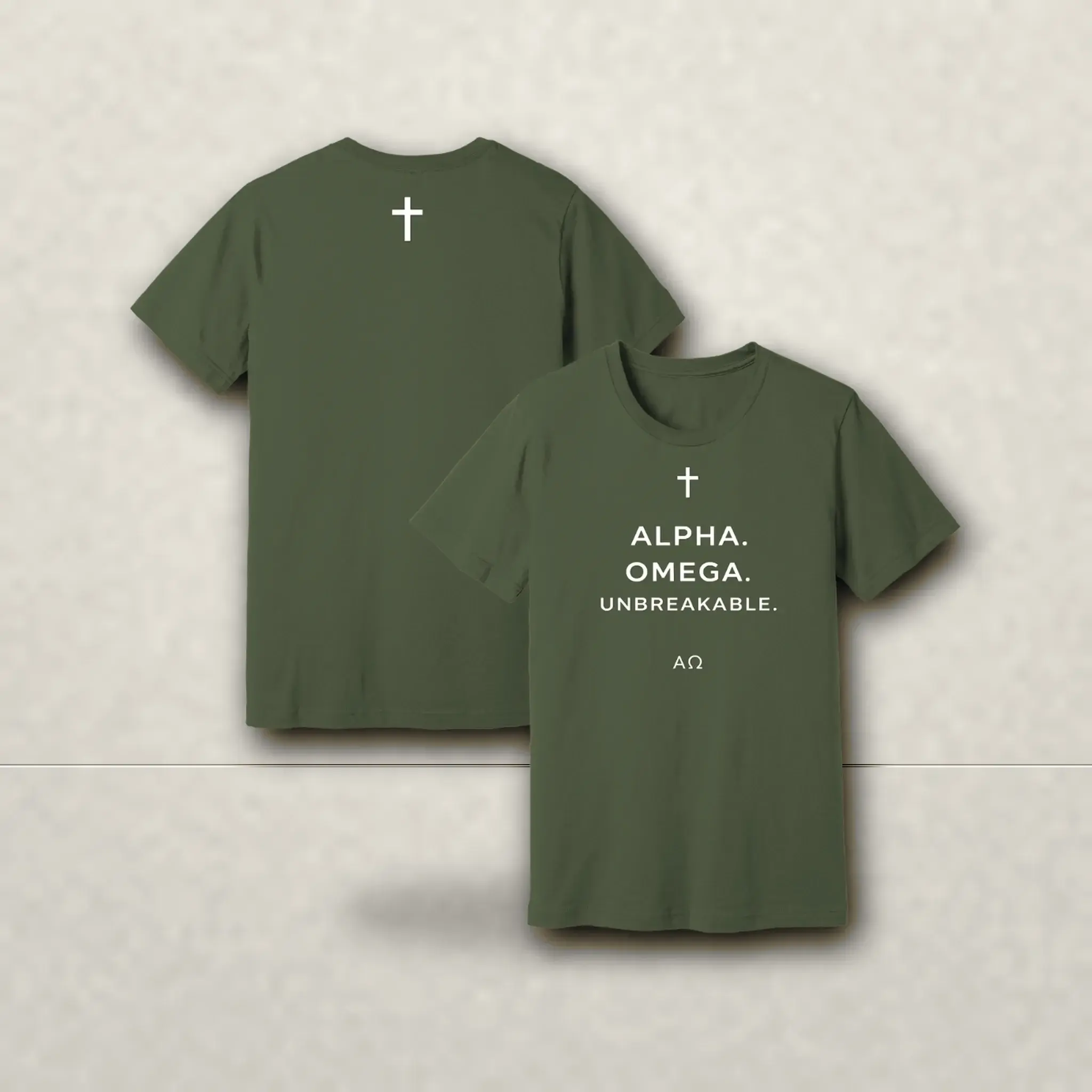
// GEAR WORN IN THIS TRAINING

PUBLISHED MAY 22, 2026