// TRAINING
The Faith-Driven Lifter's Guide to the Deadlift: Form, Programming, and Mental Frame
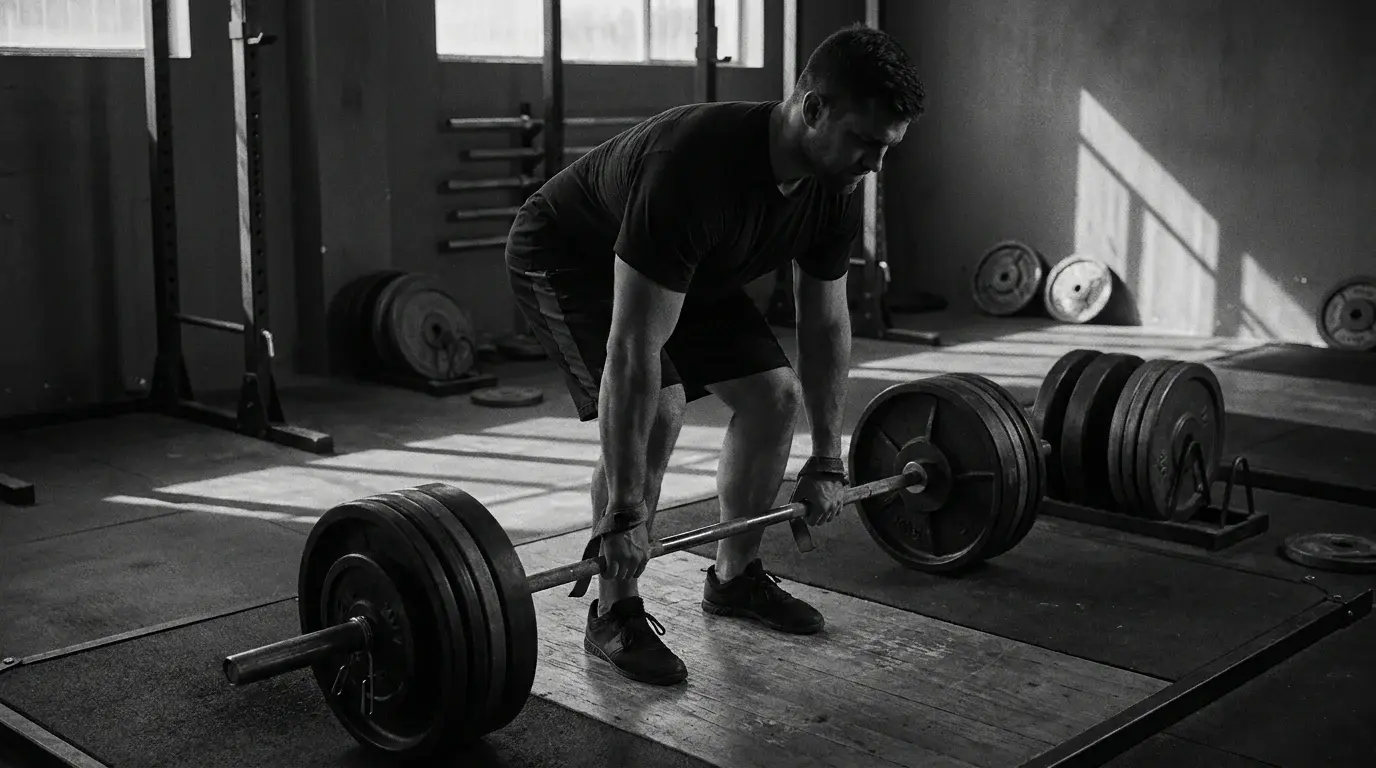
The deadlift is the most honest lift in the gym. This is the cue-by-cue setup, the programming that keeps it sustainable, and the mental frame for the one lift that humbles every man who takes it seriously.
Pete Fluriach, founder of Alpha Omega Strength Team. If I could only keep one lift for the rest of my training life, it would be the deadlift. Not because it is flashy, and not because it builds the most muscle - it doesn't. I would keep it because it is the most honest movement in the gym. You either pick the weight up off the ground with a spine you can trust, or you don't. There is no faking a deadlift, no momentum to hide behind, no half-rep that still counts. This is the guide I give every man who asks me where to start with the pull: the setup, the programming, and the mental frame that keeps it sustainable for decades instead of weeks.
Most deadlift problems are setup problems. Men think the lift is about how hard they pull. It isn't. The pull is mostly decided in the four seconds before the bar moves - where your feet are, how your back is set, where the tension lives. Get the setup right and the rep takes care of itself. Get it wrong and no amount of effort will save it.
What Every Faith-Driven Lifter Needs to Know About the Deadlift
The deadlift is a hip hinge under load: the bar starts dead on the floor, you brace your whole trunk, and you stand up with it. That is the entire lift. Its simplicity is exactly why it is hard to cheat and easy to respect. It trains the whole posterior chain - hamstrings, glutes, spinal erectors, grip, and the deep bracing muscles that protect your back in everyday life.
There are a handful of variations most lifters end up using:
- Conventional - feet hip-width, hands outside the knees; the default for most men
- Sumo - wide stance, hands inside the knees; shorter range, easier on the lower back for some
- Trap bar - neutral handles, load closer to your center; the friendliest entry point for a beginner
- Romanian (RDL) - a top-down hinge that never touches the floor; a hamstring and control builder, not a max-strength lift
Before you pick a variation, hold the four things that decide whether your deadlift stays healthy for the long run:
- Setup - the position you build before the bar moves matters more than the pull itself
- Bracing - a full, 360-degree trunk brace is what protects your spine, not a belt by itself
- Frequency - the deadlift taxes recovery more than any other lift; you need less of it than you think
- Ego - the single most common cause of a tweaked back is a weight that should have stayed on the floor
After this guide you will have a repeatable setup you can run every rep, a simple framework for programming the pull without wrecking your recovery, and a way of thinking about the lift that keeps your head where it belongs.
Deadlift Form, Cue by Cue: Building a Setup You Can Trust
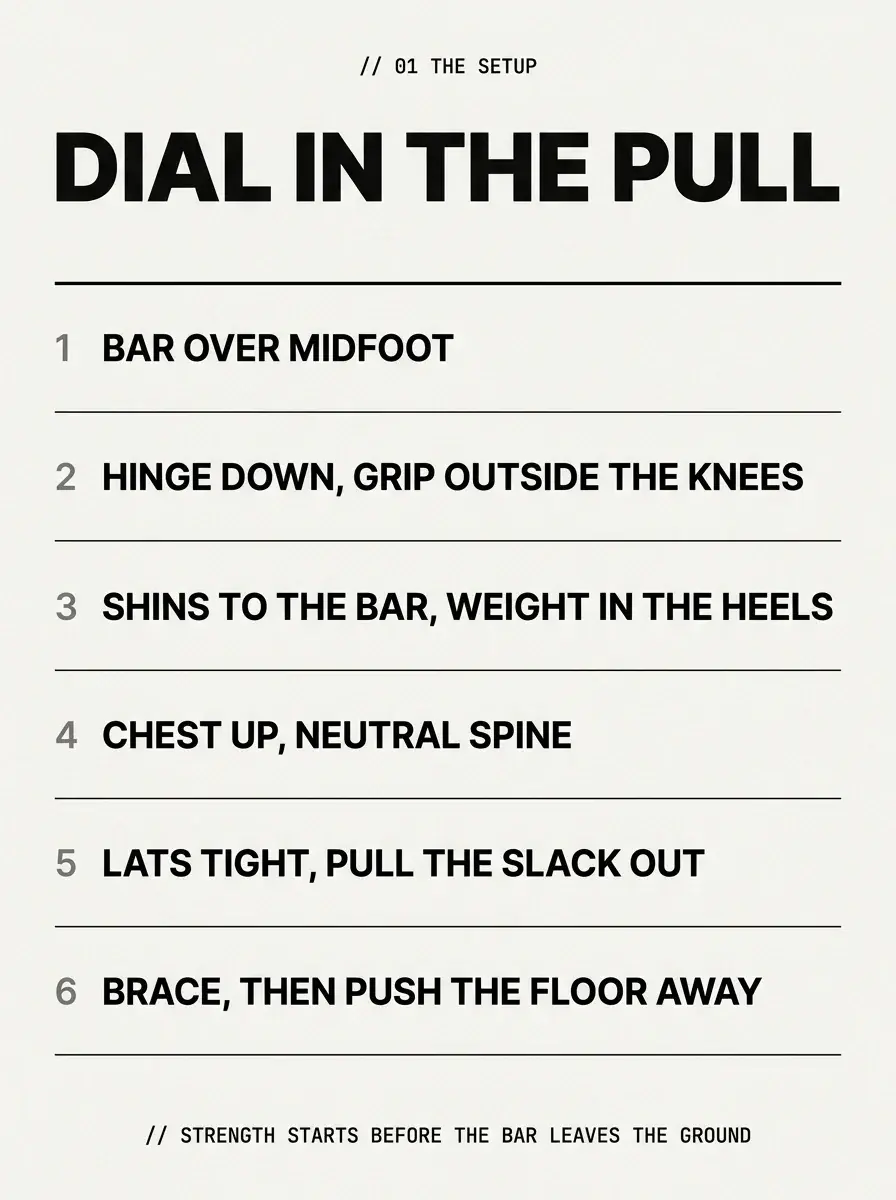
Run the same six cues every single rep, in the same order, until they stop being a checklist and start being a habit. The goal is a setup so consistent that a heavy single feels procedurally identical to a warm-up. Consistency is what keeps your back safe when the weight gets honest.
Cues 1 to 3 - Find the Floor
- Bar over midfoot - walk in until the bar sits over the middle of your foot, roughly an inch from your shins. This is the line the bar wants to travel; start it anywhere else and you fight the lift the whole way up.
- Hinge down, grip outside the knees - push your hips back and reach down for the bar without dropping into a squat. Take your grip just outside your knees, arms straight and long.
- Shins to the bar, weight in the heels - bring your shins forward until they almost touch the bar, knees tracking over your feet. Your weight should sit through your heels and midfoot, never your toes.
Cues 4 to 6 - Build the Tension, Then Pull
- Chest up, neutral spine - lift your chest to set a flat, neutral back from your tailbone to the base of your skull. No rounding, no hyperextending. Your neck stays in line with your spine - eyes on the floor a few feet ahead.
- Lats tight, pull the slack out - squeeze your armpits down and pull up gently until you hear the bar click against the plates. That sound is the slack leaving the bar. You are now connected to the weight before you try to move it.
- Brace, then push the floor away - take a breath into your belly, brace your trunk hard in every direction, and drive your feet through the floor. Think push, not pull. Stand tall, lock the hips, then control the bar back down the same line.
If a rep feels wrong, it is almost always a setup error, not a strength error. The fix is to reset and rebuild the position, not to grind harder. For the broader case on why these big lifts belong at the center of a man's training, see the five compound lifts every Christian man should know.
How to Program the Deadlift Without Wrecking Your Recovery
The deadlift is the easiest lift to overdo and the hardest to recover from. A heavy session pulls on your nervous system, your grip, and your lower back all at once. Most men do not need to pull more than once a week. The instinct to add deadlift volume because you love the lift is the same instinct that leaves you flat and sore for three days. Respect the cost.
A Simple Weekly Template
- Strength focus - one main session a week: 3 to 5 sets of 3 to 5 reps, stopping 1 to 2 reps short of failure. Add a little weight when all sets move cleanly.
- Volume support - one lighter hinge later in the week: Romanian deadlifts, 3 sets of 8 to 10, to build hamstrings and groove the pattern without the same recovery hit.
- Progression - move weight up slowly and in small jumps. The deadlift punishes greed faster than any other lift; 5 pounds a week beats 20 pounds and a strained back.
Expert tip: leave one or two reps in reserve on almost every working set. A deadlift grind looks impressive and trains you to round your back under fatigue. The goal is a long career of clean pulls, not a single ugly rep you post and pay for later.
Build a deload into the plan every fourth or fifth week - drop the weight and volume on purpose so the tissue and the nervous system catch up. Rest is not the absence of training. It is part of the program, and treating it that way is its own kind of discipline.
The Deadlift at Every Stage of Training
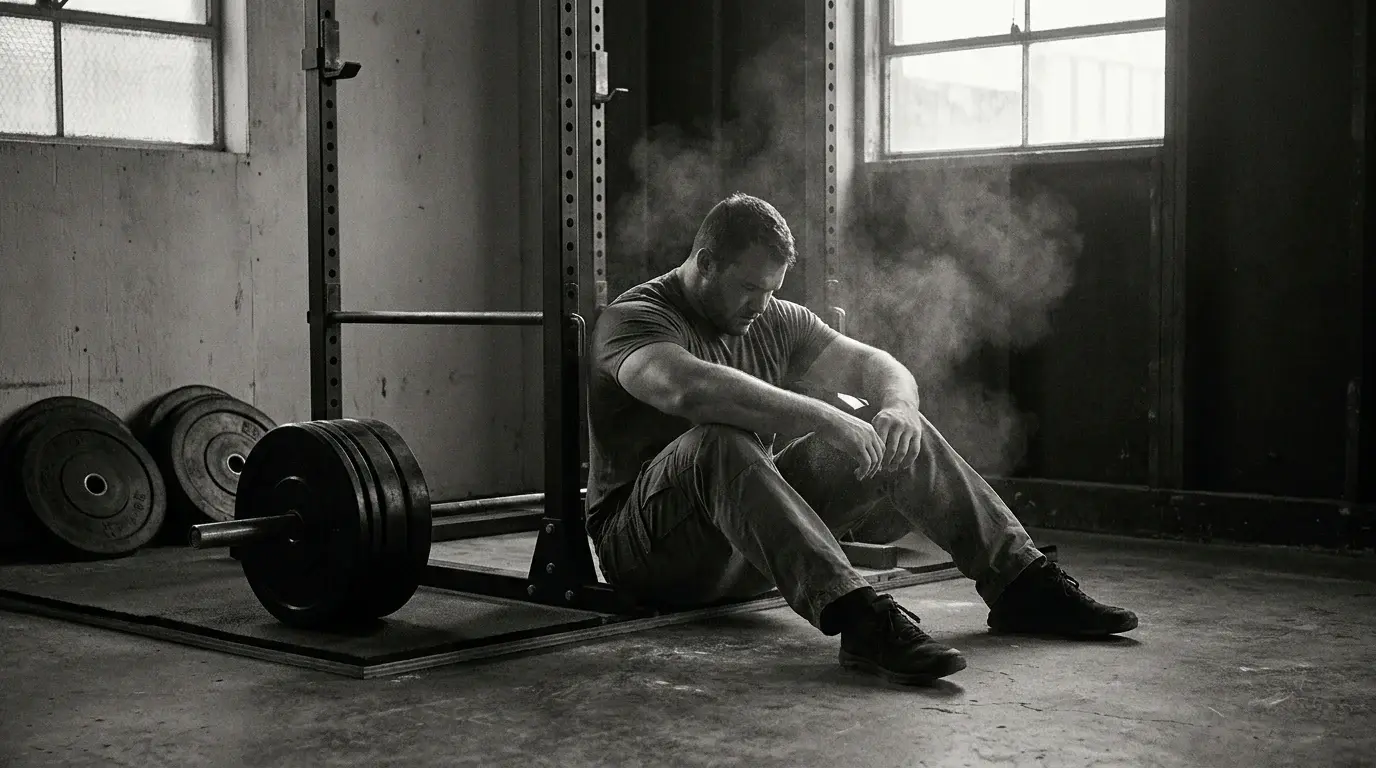
The pull asks for something different from you depending on how long you have been training. Same lift, different emphasis:
- The new lifter (0 to 12 months): pull more often and lighter. Start with a trap bar or a moderate conventional load, and spend your reps building the setup, not chasing a number. This is the season to make the six cues automatic.
- The intermediate lifter (1 to 4 years): this is the danger zone. You are strong enough to hurt yourself and not yet wise enough to always back off. Pull once a week, leave reps in reserve, and let the bar - not your mood - decide what is heavy today.
- The advanced lifter (5+ years): pull less often and heavier, and program your deloads on the calendar before your body forces them. By now the lift is a measuring stick for the rest of your training, not a thing to prove every week.
Matching the Lift to the Day
Read your readiness honestly and adjust:
- Strong day - work up to a heavy set of 3 to 5, then stop while it still looks clean. A good deadlift day ends with reps left in the tank, not a hospital story.
- Average day - hit your prescribed sets at a moderate weight and focus entirely on bar path and bracing. Most of your long-term progress is built on these unremarkable days.
- Beat-up day - swap the heavy pull for Romanian deadlifts or trap-bar work at lighter load, or move it to the next session. Pulling heavy on a bad day is how good lifters get hurt.
The Mental Frame: Why the Deadlift Humbles Every Man
The bar is the most honest object in the gym. It does not care about your job title, your bench number, or the story you tell yourself in the mirror. It sits on the floor at exactly the weight it is, and it asks one question: can you pick this up with a back you can trust? On a good day the answer humbles you because the weight moved and you know it was a gift. On a bad day it humbles you because the weight did not move and there is nowhere to hide.
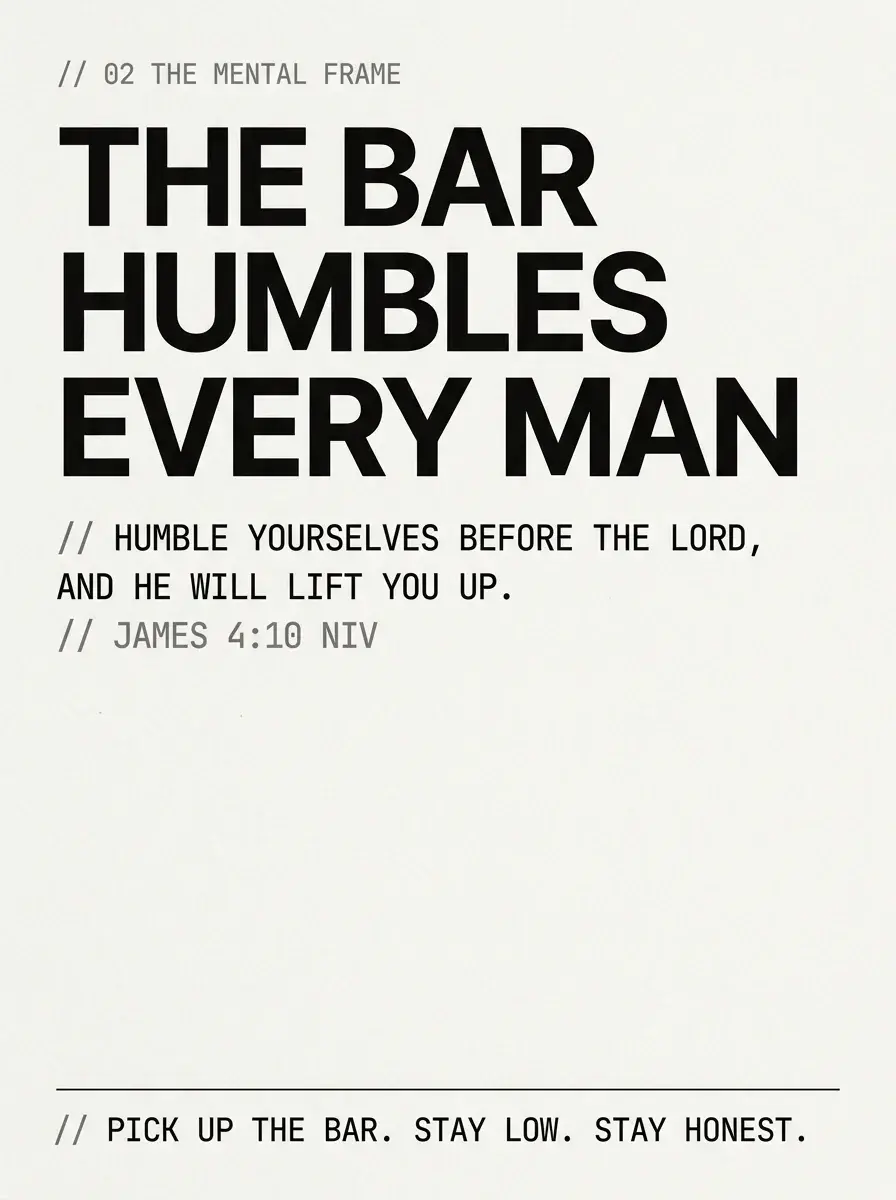
That honesty is a gift, not a threat. A man who lets the deadlift tell him the truth - about his preparation, his recovery, his ego - learns to take correction without falling apart. James 4:10 puts it plainly: “Humble yourselves before the Lord, and he will lift you up” (James 4:10 NIV). The lift is a small, physical rehearsal of a much larger pattern: you get low, you submit to something heavier than you, and you are raised up - not by your own narrative, but by doing the work honestly and leaving the outcome where it belongs.
Carrying the Frame Out of the Gym
- Let the bar correct you - if a weight is not there today, set it down without a story. Honesty under load is a skill you can practice.
- Stay low in the setup - the discipline of building the same position every rep is the same discipline that keeps a man steady when no one is watching.
- Treat the work as worship - hard, ground-level effort done with the right intention is not separate from the spiritual life. For the longer case, read the guide to training as worship.
- Measure years, not days - the deadlift rewards the man who is still pulling cleanly in ten years, not the one who pulled the most this week.
Frequently Asked Questions About Deadlift Form
How often should I deadlift?
For most men, one heavy pull a week plus one lighter hinge variation is plenty. The deadlift taxes recovery harder than any other lift, so more frequency usually means more fatigue, not more progress. Beginners can pull a bit more often because the loads are lighter and the priority is grooving the pattern.
Do I need a belt to deadlift?
No - learn to brace without one first. A belt gives your trunk something to push against and can help on heavy sets, but it is a tool that amplifies a good brace, not a substitute for one. Spend your first months building a real 360-degree brace, then add a belt for your top sets if you want it.
Is it bad if my lower back rounds a little?
Aim for a neutral spine you can hold under load. A small amount of upper-back rounding is common among strong lifters, but a lower back that rounds under heavy weight is a sign the load is too much or the setup broke down. When in doubt, reduce the weight, rebuild the position, and keep the spine neutral. Protecting your back for the next thirty years is worth more than any single rep.
Conclusion
The deadlift is simple, demanding, and honest - which is exactly why it is worth building your training around. Get the setup right every rep, program it with restraint, and let the bar tell you the truth about the day you are having. Do that for years and you will end up with more than a bigger pull. You will end up steadier: harder to flatter, harder to rattle, and clearer about who the work is really for.
Pick a weight you can trust and pull it cleanly tomorrow. To go deeper on the theology that makes the hard work make sense, read the Lifter's Devotional Guide to Training as Worship.
// FREQUENTLY ASKED
Questions, answered.
How often should I deadlift?
For most men, one heavy pull a week plus one lighter hinge variation is plenty. The deadlift taxes recovery harder than any other lift, so more frequency usually means more fatigue, not more progress. Beginners can pull a bit more often because the loads are lighter and the priority is grooving the pattern.
Do I need a belt to deadlift?
No - learn to brace without one first. A belt gives your trunk something to push against and can help on heavy sets, but it is a tool that amplifies a good brace, not a substitute for one. Spend your first months building a real 360-degree brace, then add a belt for your top sets if you want it.
Is it bad if my lower back rounds a little?
Aim for a neutral spine you can hold under load. A small amount of upper-back rounding is common among strong lifters, but a lower back that rounds under heavy weight is a sign the load is too much or the setup broke down. When in doubt, reduce the weight, rebuild the position, and keep the spine neutral. Protecting your back for the next thirty years is worth more than any single rep.
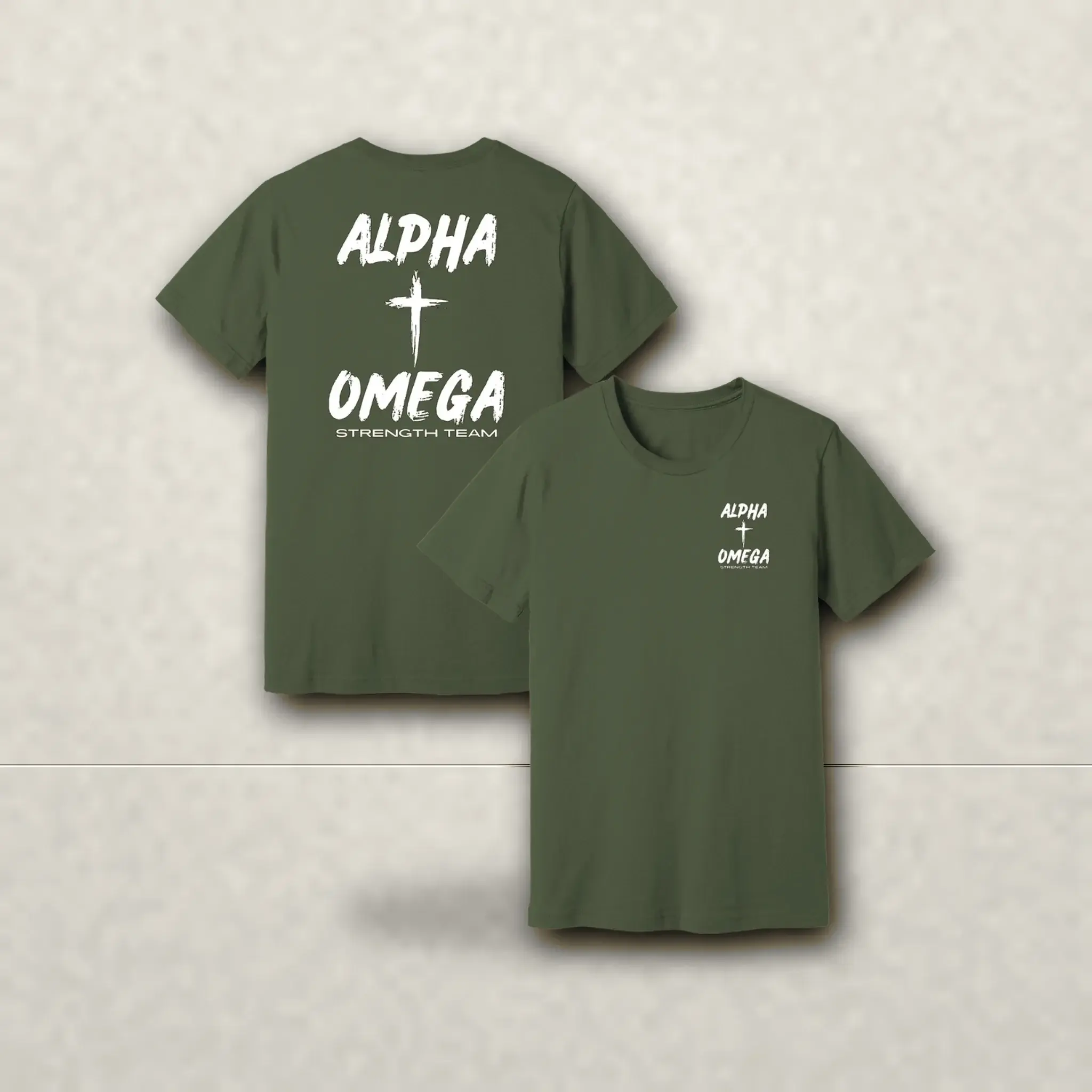
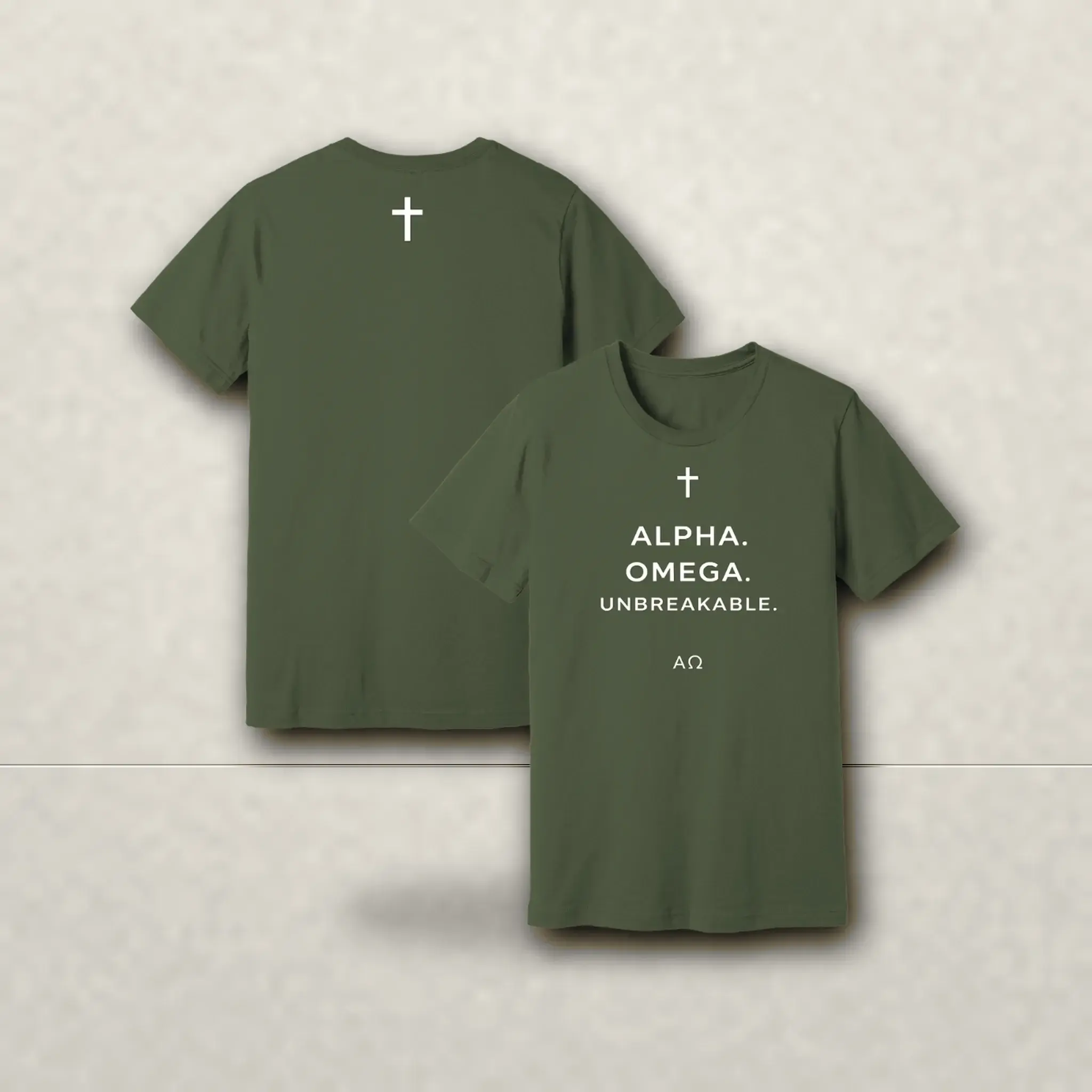
// GEAR WORN IN THIS TRAINING
PUBLISHED JUNE 3, 2026